Master the Path to CPR Certification
- Anthony Dixon
- Sep 21, 2025
- 4 min read

Learning CPR is one of the most valuable skills you can gain. It empowers you to save lives in emergencies. Whether you are a healthcare professional or a community member, getting certified is a smart step. I’m here to guide you through the process of CPR course enrollment and what to expect along the way. Let’s make this journey simple and encouraging!
Why CPR Certification Matters
CPR, or cardiopulmonary resuscitation, is a life-saving technique used when someone’s breathing or heartbeat has stopped. Immediate CPR can double or even triple a victim’s chance of survival. That’s why certification is crucial. It shows you have the knowledge and skills to act confidently in emergencies.
Being certified also benefits your career if you work in healthcare or related fields. Many employers require CPR certification as part of their hiring process. Plus, it gives you peace of mind knowing you can help family, friends, or strangers in need.
Here are some key reasons to get certified:
Save lives: You become a first responder in critical moments.
Boost confidence: Training prepares you to stay calm and effective.
Meet job requirements: Many healthcare roles require current CPR certification.
Stay updated: Certification courses teach the latest guidelines and techniques.

How to Start Your CPR Course Enrollment
Starting your CPR course enrollment is easier than you might think. The first step is to find a reputable training provider. Look for organizations that offer certified courses recognized by health authorities. For example, Heart Beats CPR Training in Lawrenceville provides excellent options for both healthcare professionals and community members.
When you choose a course, consider these factors:
Course type: Basic CPR, advanced life support, or specialized courses.
Schedule: Find a class that fits your availability.
Format: In-person, online, or blended learning.
Certification validity: Most certifications last two years before renewal.
Once you pick a course, registration usually involves filling out a form and paying a fee. Some courses offer group discounts or employer-sponsored options. Don’t hesitate to ask about these.
If you want a trusted and convenient option, check out this cpr certification course that covers essential skills for friends and family members.

Can CPR Certification Be Done Online?
Yes, CPR certification can be done online, but with some important details to keep in mind. Many training providers now offer blended courses that combine online theory with in-person skills practice. This approach gives you flexibility while ensuring you master the hands-on techniques.
Here’s how online CPR certification usually works:
Complete online modules: Watch videos, read materials, and take quizzes at your own pace.
Attend a skills session: Meet with an instructor to practice chest compressions and rescue breaths.
Pass the evaluation: Demonstrate your skills to get certified.
Online courses are great if you have a busy schedule or prefer learning from home. However, pure online-only courses without a hands-on component may not be accepted by all employers or certification bodies.
When choosing an online CPR course, verify that it includes a practical skills test and is accredited. This ensures your certification is valid and recognized.
What to Expect During Your CPR Training
CPR training is designed to be straightforward and hands-on. You don’t need prior medical knowledge to succeed. The course will cover:
Basic life support steps: How to check responsiveness, call for help, and start CPR.
Chest compressions: Proper hand placement, depth, and rhythm.
Rescue breaths: How to give effective breaths safely.
Use of AEDs: Automated external defibrillators and how to operate them.
Special situations: CPR for infants, children, and choking victims.
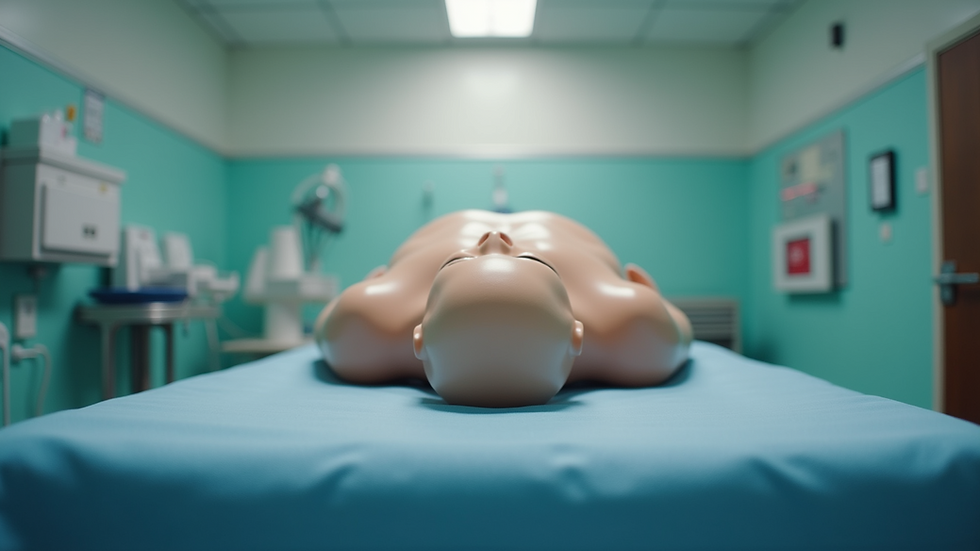
Most courses include practice on mannequins to build muscle memory. Instructors provide feedback to help you improve. You’ll also learn how to stay calm and communicate during emergencies.
By the end of the course, you’ll feel confident to act quickly and correctly. Plus, you’ll receive a certification card valid for two years.

Tips for Success in Your CPR Course
To get the most out of your CPR training, keep these tips in mind:
Arrive prepared: Wear comfortable clothes and bring a notebook for notes.
Ask questions: Don’t hesitate to clarify any doubts with your instructor.
Practice regularly: Skills improve with repetition, so review techniques after class.
Stay updated: CPR guidelines can change, so renew your certification on time.
Encourage others: Share your knowledge and motivate friends or coworkers to get certified.
Remember, CPR is a skill you carry for life. The more you practice, the more natural it becomes.
Taking the Next Step After Certification
Once you have your CPR certification, consider how you can use it to make a difference. Here are some ideas:
Volunteer: Join local emergency response teams or community health programs.
Educate: Teach CPR basics to family, friends, or coworkers.
Stay equipped: Keep a first aid kit and AED nearby at home or work.
Renew on time: Mark your calendar to renew your certification before it expires.
Heart Beats CPR Training is committed to helping the Lawrenceville community stay prepared. They offer ongoing support and resources to keep your skills sharp.
Getting certified is just the beginning. With your new skills, you become a vital link in the chain of survival.
Taking the step to enroll in a CPR course is a powerful choice. It equips you with life-saving skills and confidence to act when it matters most. Whether you choose in-person or online training, make sure your certification is valid and recognized. Remember, practice and renewal keep your skills ready for any emergency.
Ready to start? Explore trusted options like the cpr certification course and take your first step toward becoming a lifesaver today!


Comments